
Three Common Myths About Animation
Animation has been around for more than 100 years. Today, it plays a role in many areas of modern day life, from advertising to education to entertainment. Despite its ubiquity, though, many people still have misconceptions about it that can limit their understanding of its versatility and value. Following are three of the most common.
Animation is only for children
Walt Disney built an empire on the use of animation in children’s movies. From Snow White and the Seven Dwarfs to Cinderella, Alice in Wonderland, and, more recently, Frozen, the company has mainstreamed the use of animation in children’s entertainment. The result has been that animation and children have become almost inextricably connected in many people’s minds. As a result, it may be difficult for an executive to comprehend how animation can be used to communicate an idea to his company’s board, or for a college professor to understand how animation might help her students learn more effectively.
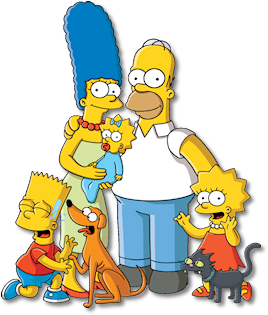 The truth, however, is that animation has always had a broader application than just as a form of children’s entertainment (although animation excels at that, too). In fact, there have been many animated films created just for adults (I.e Films such as the Transformers movies or the Simpsons animated cartoons, which have plot lines and themes that are adult-focused).
In addition, animation has become a tried and true method for educating professionals, college students, and adult learners. Other adult spheres, such as advertising and the workplace, also benefit from the education, entertainment, and explanatory benefits of animation. For instance, boardroom presentations discussing a new building project, advertisements for new products, and brand mascots for an up and coming company all benefit from animation. As a result, animation’s uses extend far beyond keeping children happy and extend into almost any area where there is a need to clearly and engagingly communicate with an adult audience.
Traditional animation is dead
When Disney shut down its traditional animation studio in 2013 in favor of computer-generated 3D animation, it seemed as if traditional animation were dead. Nowadays, with the prevalence of 3D animated films and the detailed realism that 3D animation provides, it may be easy to think that traditional animation is not just dead but buried, too. Seeking out the services of a 2D animation studio may seem like an exercise in futility, because what can 2D animation provide that 3D animation hasn’t already improved upon?
The truth, however, is that animation is an incredibly versatile and flexible art form. Limiting animation simply to the abilities inherent in 3D animation is to eliminate an entire universe of styles and techniques that can enliven the animated project. There are still many areas in which 2D animation actually provides advantages over 3D animation.
For instance, 2D animation is more efficient to create, provides a simplicity of look and feel that is perfectly suited to many projects, costs less than does 3D animation without compromising quality, and offers such an array of styles and techniques as to create a level of freedom that cannot be duplicated within the relative confines of 3D animation.
As a result, traditional animation today is thriving in everything from commercial animation to animated explainer videos to full-length feature films. Instead of being dead, traditional animation is still being used in numerous projects, and has proven itself capable of producing material that is as good as, and as useful as, any 3D animation.

Animation is easy
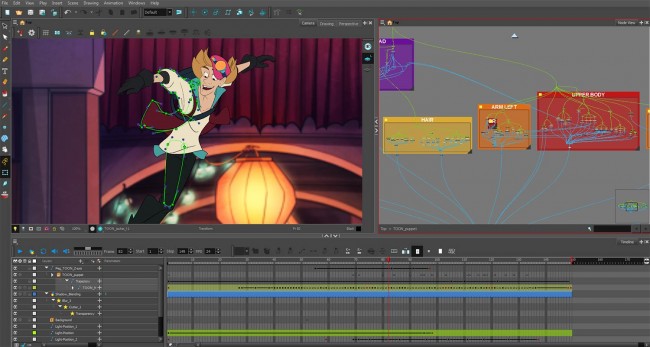
Successful animation looks fluid and effortless. The characters move across the screen, and the scenes change seamlessly. It can be tempting, while watching a professionally animated production, to assume that the process of creating such a beautiful work of art is as fluid and easy as the finished product appears to be. The truth, however, is that animation, especially projects produced through the skillful efforts of 2D animation companies, is a complex, artistically demanding skill that requires both time and effort.
For instance, before the actual animation can even begin, concept design artists, character design artists, and others must come together to flesh out the ideas just beginning to take shape in the client’s head. A style must be developed for the project, and an animation technique must be selected. Then, each scene must be carefully drawn, revised, and redrawn in order to create the perfect sequence of scenes and actions, all before any actual animation can take place.
In fact, the entire animation process requires a large number of experts working together to pull together a cohesive look. In addition to the animators necessary during the actual animation, sound engineers, voice over actors, producers, special effects experts, and others are required to create a project that is beautiful, unified, and powerful on the screen. This is why even short clips can take weeks to develop properly: The 2D animation studio needs the time to apply its talent and expertise to create the best possible animated production.
Animation is one of the most versatile and useful art forms available. The sheer creativity it allows, and the sheer number of ways in which it can be used, make it ideal for almost any advertising, entertainment, or educational need you may have. By discarding the misconceptions that animation is only for children, that traditional animation is dead, and that animation should be quick and easy, you can set yourself up to take full advantage of the benefits this type of art can bring to your next project.
Related Posts


About The Author

Kara Eberle
Kara Eberle, Executive Assistant at Powerhouse Animation is an Alumni of Texas State University. There she studied Communications and Electronic Media while dabbling in the world of voice acting. Kara’s love for all things creative is clearly reflected in her articles which carry her thoughts on 2D animation and the company’s many successful creations.
